Daniel Davis Week 9: The Power to Say a Proper Farewell
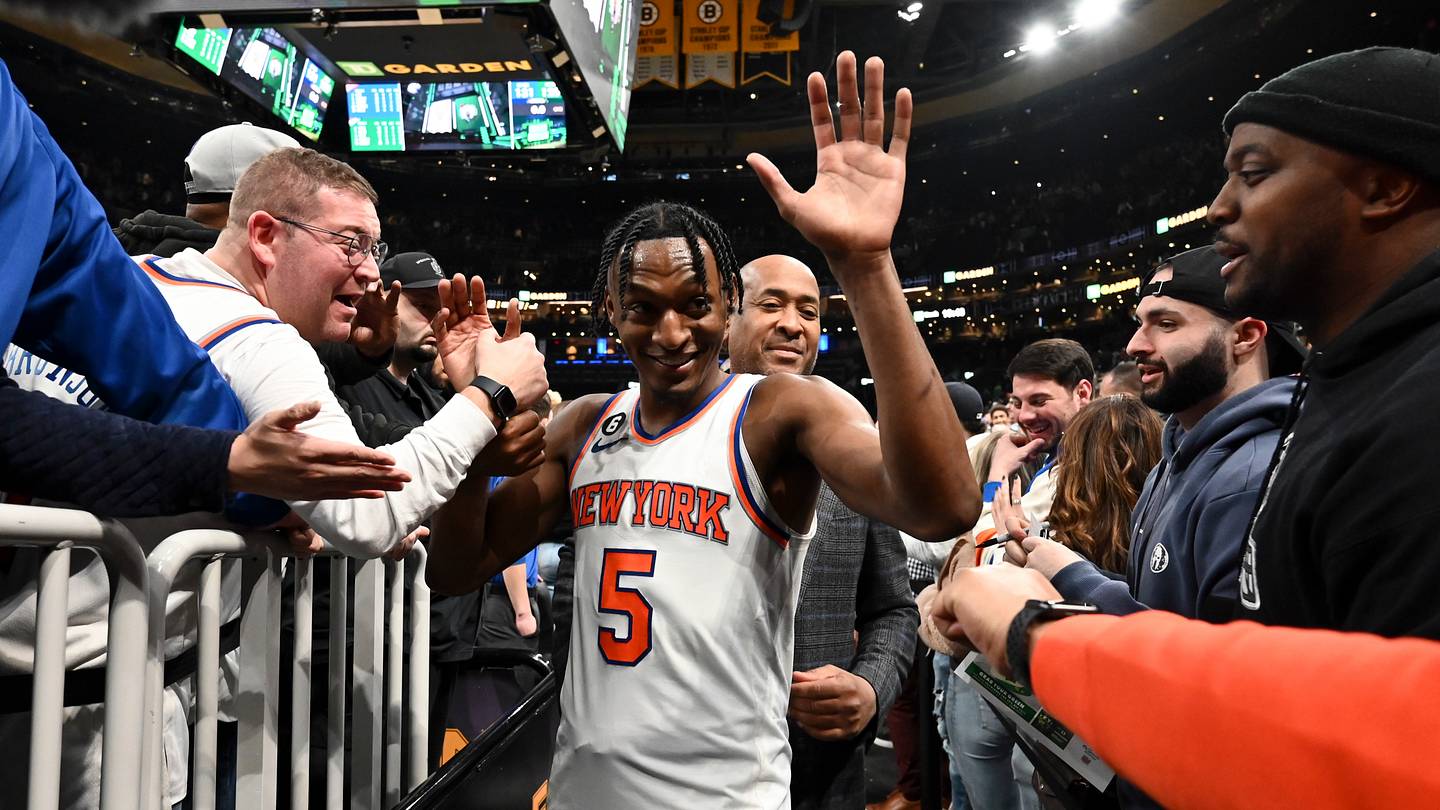
I have enjoyed watching the NBA ever since I could understand the game of basketball. Still, it took me too long to recognize that these players are people.
At first glance, this is an obvious fact. Of course NBA players are real people and they should be treated as such.
The misconception that these players are simply giants who are paid millions just to play a game is surprisingly easy to be fooled by.
As I aged, I started to better understand how it can be easy to fall into this trap and why the idea is flawed.
I better understood the amount of stress NBA players (and high-profile athletes in general) are under. Understanding this, I started looking for player voice. Once I found these voices, it became clear to me that behind the popularity, behind the millions, behind the theatrics, were normal people trying to live each day better than the next.
Once I understood this, I had an improved outlook on the NBA, but I still had no idea as to the feelings of each player. There exists no obligation for the player to provide this part of themselves to the public, but some decide to address any speculation, any worries, any lies, with their own voice.
The decision of one such player, Immanuel Quickley, led me to the website, The Players Tribune. I encourage all of you to dive into the rabbit hole of messages from players of a multitude of sports—from basketball to F1. For the purposes of this post, I will focus on Quickley's message, "Dear New York."
As its name suggests, Quickley's article "Dear New York" is an honest letter to the city that he formerly played in.
Quickley thanks the Knicks and dispels any idea that he holds resentment towards the organization.
In writing this article, Quickley controls his own narrative and prevents a negative departure from New York. He talks extensively about how much the city of New York means to him.
Quickley also speaks on his recent experience with his new team, the Toronto Raptors. On the subject of the Raptors, he comments on how "Everybody's one big family." To Raptors fans he claims that he "wouldn't want [his] next chapter to start anywhere else." These comments set the tone for both Raptors fans and his new organization.
Through this article, Quickley shows how the modern athlete has the ability to communicate directly with their fans with little to no moderation. Active athletes use their own podcasts, articles, and even social media to share their feelings and opinions.
These real-time updates from players should not be taken for granted as athletes have not always had the opportunity to express themselves before retirement.


Hey Daniel! It is nice to see an acknowledgement of the human nature of athletes, especially those who are in a place such as the NBA, where they are idolized so much that they often lose their individual humanity in the eyes of the public. You point out the trap of seeing these athletes as just mere entertainers, people who don't go through the struggles and emotions that we all face. You understanding their personal and professional pressures adds something that we, as fans, should consider about them.
ReplyDeleteEven though I do not know about Immanuel Quickley, I can see from the snippets of quotes that you provide, that the letter in The Players Tribune is a perfect example of an athlete talking to his fans in a simple, direct, and heartfelt way. Quickley saying that "Everybody's one big family" really helps build a more empathic relationship between him and his fans.
Thanks for bringing to light something that I have never really thought about, and giving an example that was easy to understand. Also, I just took a look at The Players Tribune, and I saw so many athletes just writing long long messages to their fans, and I think it is a really great website to take a look at.
Hi Daniel,
ReplyDeleteI like how you focus on the human aspect of NBA players and on a specific example where a player got to set the record straight and say a proper goodbye. The power to be in charge of your own story and your own reputation is very important. In addition your point of NBA players being human too connects to all public presences and celebrities as we often make quick judgements on them and harshly criticize any small mistake. However, knowing that they make mistakes as any human would is important. In addition, we can't really know what is the truth or what is false information or rumors about them. It's super important how Quickley's letter allowed him to take control over the message he wanted to send. Rather than leave on a poor note, he ensured that in the end, it was the message he truly wanted to send that got across. Social media and other personal media can be very important for people, especially those in a public image, to practice their power to share their true feelings.
Hi Daniel,
ReplyDeleteThe title of your blog definitely caught my eye, although I don't follow many sports and have never watched an NBA game in my lifetime, I knew your blog would change my perception of yet another concept I have yet to learn much about. As I have never really been into watching sports, I never truly considered the physical and emotional turmoil athletes must face in their day-to-day lives. At first thought, it seems obvious that all athletes undergo injuries, disagreements with teammates or coaches, etc, but to me, the positives and negatives of the experience always seemed similar to someone with a normal 9-5 job. Not to mention, athletes in the NBA normally have a net worth of considerable size to compensate for the troubles. However, your blog led me to the realization that most big-time athletes lack a simple right that everyone should have access to; the power of self-expression, including the power to communicate with fans, even the simple power of expressing opinions of any negative connotation, we often take these powers for granted as we do not realize these large and "powerful" figures have problems of their own.